

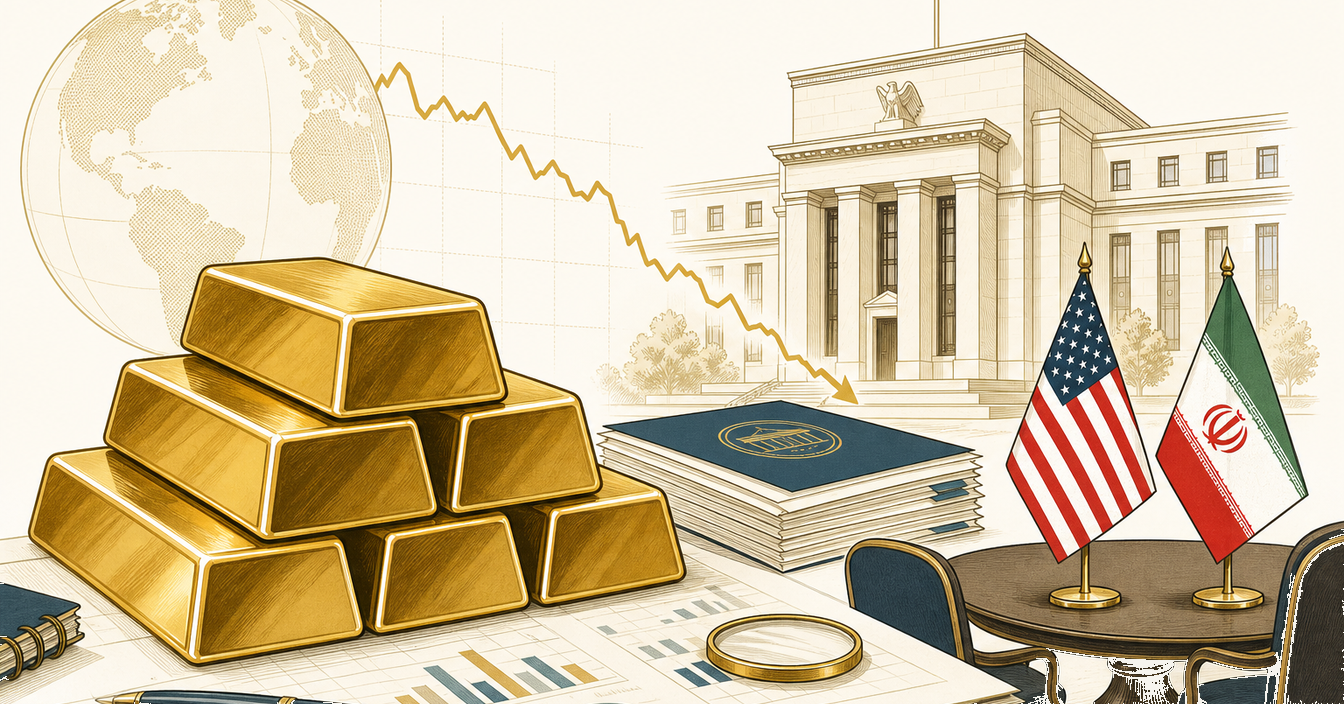
Gold slid on June 29 after weekend U.S.-Iran hostilities revived inflation and interest-rate concerns, even as reports pointed to a possible pause in tit-for-tat strikes and renewed diplomacy, leaving markets balancing geopolitics, oil, and the U.S. dollar.
Gold prices fell on Monday, June 29, as renewed U.S.-Iran hostilities raised concerns about oil-driven inflation and the possibility of higher interest rates, while strength in the U.S. dollar added further pressure on bullion.
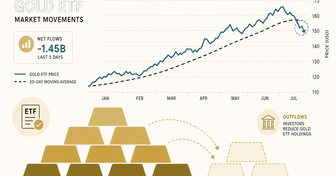
By 7:15 a.m. ET, spot gold had fallen 1.3% to $4,035.82 an ounce, while U.S. gold futures were down 1.1% at $4,049.92.
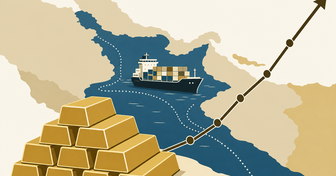
Media reports indicated that the United States and Iran had agreed to halt tit-for-tat strikes around the Strait of Hormuz, potentially allowing shipping to move freely through the strategic waterway. However, Iran had not confirmed the reported agreement, and discussions were continuing over the implementation of a possible memorandum of understanding.
The United States had also reportedly offered to hold talks with Iran in Doha, with a meeting potentially taking place as early as Tuesday, although the details had not been finalized.
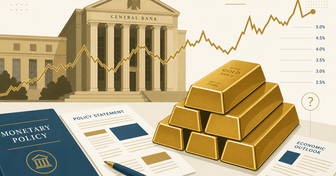
Despite signs of possible de-escalation, renewed hostilities kept concerns about energy supplies and oil-driven inflation in focus. Oil prices remained near pre-war levels but had risen following the latest attacks, reinforcing expectations that central banks—including the Federal Reserve—could raise interest rates before the end of the year to contain price pressures.
Higher interest rates generally weigh on gold because bullion does not generate interest or income, increasing the opportunity cost of holding it relative to yield-bearing assets.
Gold was also pressured by a stronger U.S. dollar, which makes dollar-denominated metals more expensive for buyers using other currencies. The dollar had attracted safe-haven demand during the conflict, partly because the United States, as a major energy exporter, could be relatively insulated from higher oil prices.
Investors will now monitor upcoming U.S. economic data, including the monthly employment report, consumer-confidence figures, job openings, and private-payroll data, for further indications about the economy and the Federal Reserve’s rate outlook.
Why This News Matters
Gold and silver pricing is often sensitive to Middle East risk via oil-driven inflation expectations, real-rate expectations, and safe-haven demand. A shift toward either escalation or de-escalation in Hormuz can change inflation and Fed-rate pricing, while dollar moves can mechanically influence USD-denominated precious metals.
Affected Metals
- GOLD: Geopolitical risk around Hormuz can alter safe-haven flows and oil-linked inflation expectations; both can influence real yields and Fed-rate pricing, which are major inputs for gold.
- SILVER: Silver can react alongside gold to shifts in the dollar and real-rate expectations, while also reflecting broader risk sentiment tied to energy and growth expectations.
Source: Investing.com