

A new analysis suggests that global central banks might be forced to abandon their traditional practice of ignoring temporary energy price spikes, potentially leading to more aggressive interest rate policies that could impact precious metals markets.
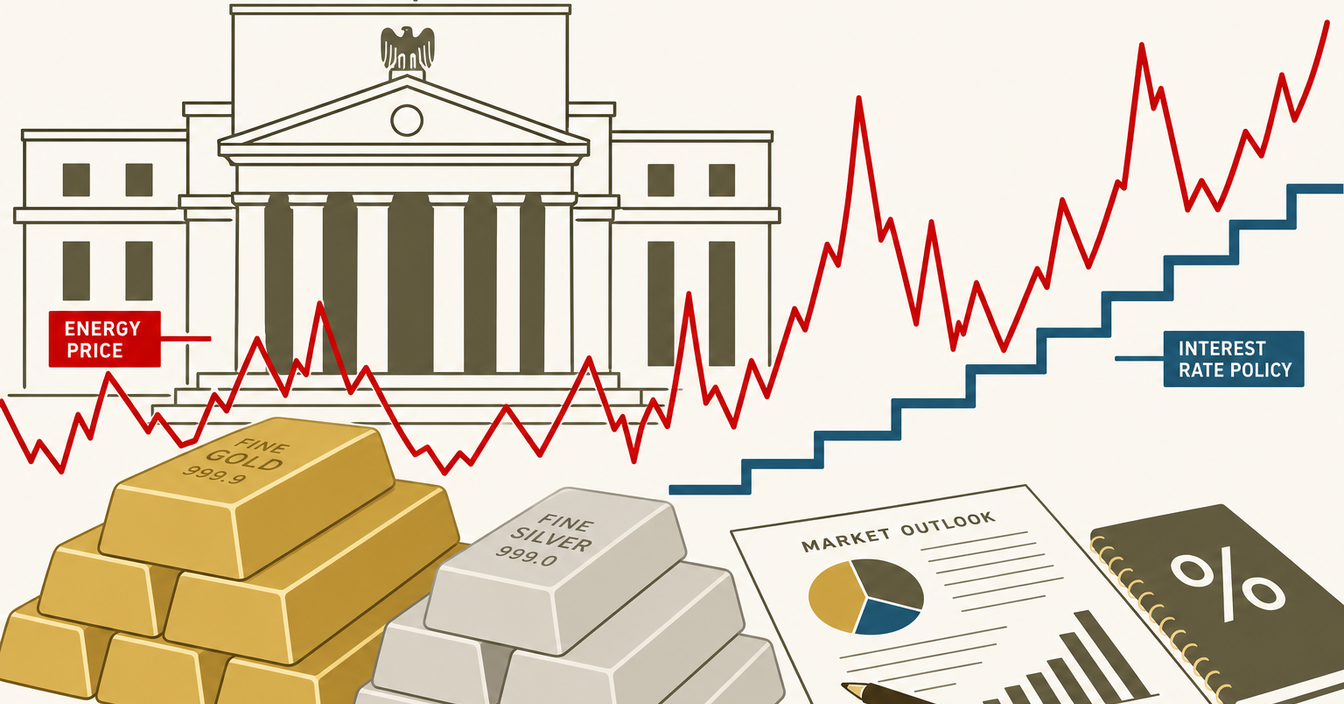
Recent analysis from Bank of America Global Research highlights a growing dilemma for central banks that may have significant implications for gold and silver investors. Historically, monetary authorities have 'looked through' volatile energy prices, treating them as temporary supply-side shocks that do not require a change in interest rate policy. However, persistent fluctuations in oil prices—driven by geopolitical friction and shipping disruptions—are now threatening to embed themselves into core inflation metrics.
According to the report, the prolonged nature of these energy-driven price pressures may force a pivot in how central banks manage inflation. If policymakers decide that high energy costs are no longer transitory and require a more active tightening response, the market could see a prolonged period of elevated interest rates. For precious metals, this scenario presents a complex backdrop. While gold and silver often act as hedges against the very inflation that central banks are fighting, they also face pressure when interest rates rise, as higher yields increase the opportunity cost of holding non-interest-bearing assets.
Furthermore, a move toward more aggressive monetary policy could strengthen the U.S. dollar, another factor that traditionally weighs on metal prices. Market participants are closely watching whether this shift in central bank philosophy will materialize, as it could redefine the trading range for gold and silver in an environment of sustained macroeconomic uncertainty.
Why This News Matters
A shift in central bank policy from 'looking through' energy costs to actively tightening because of them would likely lead to higher interest rates and a stronger dollar, both of which are traditional headwinds for non-yielding assets like gold and silver.
Affected Metals
- GOLD: A pivot toward higher interest rates to combat energy-led inflation may curb gold's appeal as a non-yielding asset, even if it remains a sought-after inflation hedge.
- SILVER: Silver often follows gold's macro cues but can be more sensitive to shifts in industrial cost structures and interest-rate-driven currency fluctuations.
Source: Investing.com