

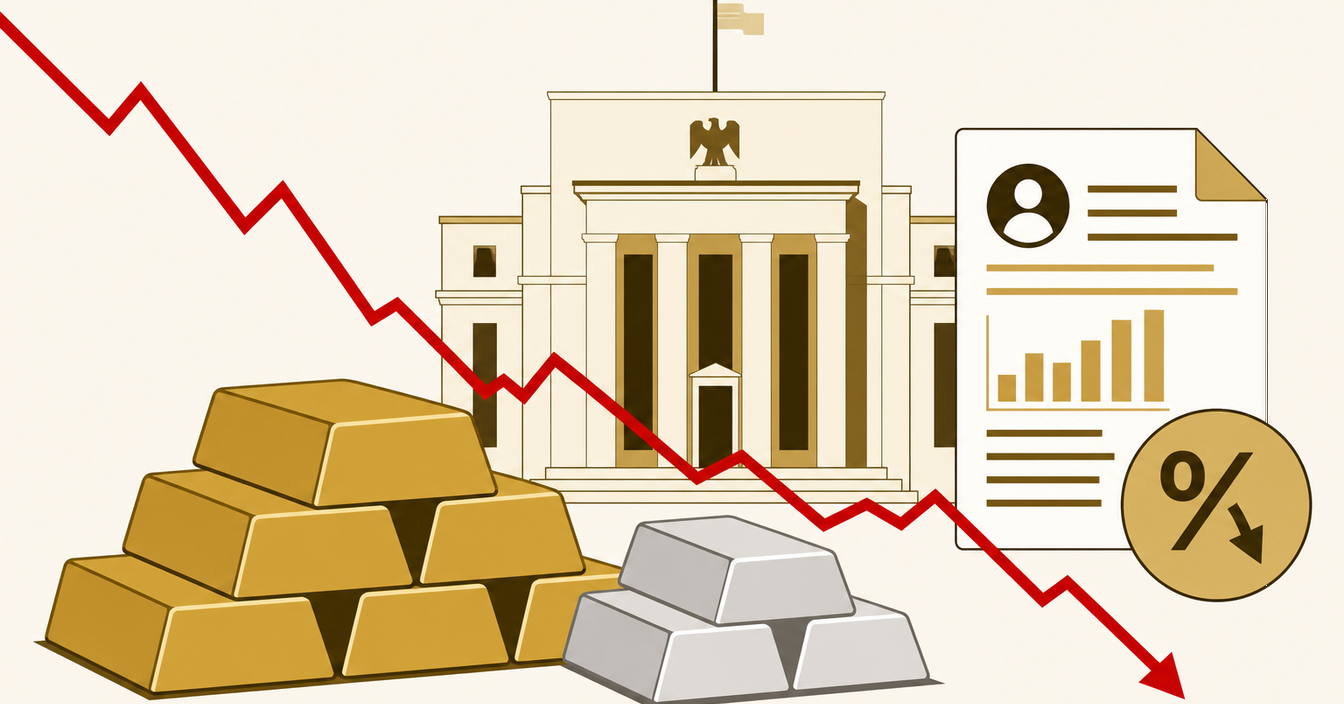
Gold and silver prices retreated on Friday following a stronger-than-anticipated U.S. employment report, which has intensified expectations that the Federal Reserve may move forward with an interest rate hike later this month.
Precious metals markets experienced a sharp correction on Friday after the U.S. Bureau of Labor Statistics reported that the economy added 162,000 jobs in August. This figure notably exceeded market forecasts, suggesting a resilient labor market despite recent tightening efforts by the central bank. The unemployment rate remained steady at 4.1%, providing further evidence of economic stability that could allow policymakers to remain aggressive in their fight against inflation.
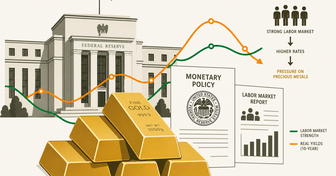
Following the release, market participants significantly adjusted their expectations for the Federal Reserve's upcoming September meeting. Current futures pricing now suggests a 65% probability of a quarter-point rate increase, up from approximately 55% prior to the report. This shift in sentiment led to a surge in U.S. Treasury yields and a strengthening of the U.S. dollar, both of which historically create headwinds for gold and silver.
Spot gold prices fell more than 1% during intraday trading, testing key support levels as the higher-rate outlook diminished the appeal of non-yielding bullion. Silver and platinum group metals followed a similar downward trajectory. While the labor data has provided a hawkish catalyst, analysts suggest that the focus will now shift to next week’s consumer and producer price inflation reports. These upcoming data points will likely be the final pieces of the puzzle for the Fed as it determines whether to raise rates or maintain its current stance to avoid over-tightening the economy.
Why This News Matters
The August employment data surpassed economist expectations, significantly increasing the perceived likelihood of a Federal Reserve interest rate hike in September. Higher interest rates typically increase the opportunity cost of holding non-yielding precious metals, leading to downward pressure on prices.
Affected Metals
- GOLD: The stronger dollar and rising bond yields resulting from the jobs data make gold more expensive for foreign buyers and less attractive compared to interest-bearing assets.
- SILVER: Silver often experiences more amplified moves than gold in response to interest rate expectations, leading to a steeper percentage decline following the report.
- PLATINUM: Platinum prices were weighed down by the broader precious metals sell-off and the potential for higher rates to slow industrial activity.
- PALLADIUM: As a dollar-denominated asset, palladium faced downward pressure from the currency's strength and shifting macroeconomic sentiment.
Source: Kitco News