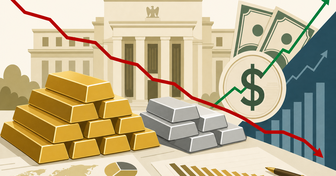


A new report from the World Gold Council reveals that while high prices have cooled retail jewelry and bullion interest, massive institutional buying from central banks and a return to positive ETF inflows have bolstered the gold market's underlying strength.
The World Gold Council released its third-quarter 2026 Gold Demand Trends report today, highlighting a significant shift in the global gold market's composition. According to the data, central bank purchases reached 321 tonnes during the quarter, representing a 42% increase compared to the same period last year. This surge in official sector demand was primarily led by institutions in China and Poland, which accounted for more than 85% of the reported net buying. Total year-to-date central bank acquisitions have now reached 675 tonnes, outpacing the record-setting levels seen in 2025.
Investment demand also saw a notable turnaround as physically backed gold ETFs recorded their first significant inflows in several quarters, adding 211 tonnes to global holdings. This reversal suggests that institutional investors are increasingly prioritizing gold as a hedge against fiscal uncertainty and persistent inflation. Conversely, the high average gold price—which reached a record quarterly average of $4,262 per ounce—acted as a deterrent for retail consumers. Jewelry demand fell by 17% year-on-year, and bar-and-coin investment dropped 19% as individual buyers struggled with price volatility and a lack of clear market direction.
While industrial and technology-related demand saw a modest 3% uptick driven by AI manufacturing needs, total global supply remained relatively flat. Record mine production of 1,071 tonnes was offset by an 8% decline in recycling. For market participants, these figures suggest that while high prices are suppressing traditional consumer demand, the persistent appetite from central banks and the return of ETF buyers may provide a durable support level for the metal’s value in the months ahead.
Why This News Matters
The report highlights a significant surge in central bank purchasing and a major reversal in ETF flows, both of which are primary drivers for long-term gold prices. This data provides a fundamental floor for the market during periods of price volatility.
Affected Metals
- GOLD: Increased central bank buying and ETF inflows typically provide strong fundamental support for prices, potentially offsetting headwinds from higher interest rates.
- SILVER: Silver often moves in high correlation with gold; the return of precious metal ETF demand broadly signals improved investor sentiment for the entire sector.
Source: World Gold Council