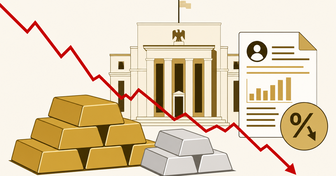



Fresh data from the U.S. Department of Labor indicates a stronger-than-expected job market, with weekly unemployment filings dropping to 203,000, slightly below analyst projections.
Gold and other precious metals faced a shifting landscape on Thursday following the release of U.S. weekly jobless claims. The Department of Labor reported that initial applications for state unemployment benefits fell to 203,000 for the week ending August 22. This figure surpassed economist expectations, which had anticipated a higher count of 208,000 filings.
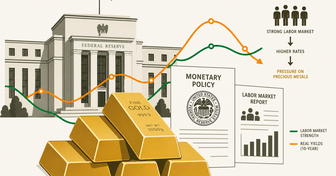
The surprisingly robust labor data arrived as market participants were already recalibrating their expectations for monetary policy. A resilient job market typically provides the Federal Reserve with more leeway to maintain restrictive interest rates if inflation remains above target. Since gold, silver, and platinum do not provide yields or dividends, they often face headwinds when interest rate expectations lean toward the hawkish side.
Following the announcement, spot gold showed signs of recovery from its earlier daily lows, trading near the $4,595 mark. Meanwhile, broader market attention is pivoting toward the Jackson Hole symposium, where Federal Reserve Chair Kevin Warsh is scheduled to speak. Investors are looking for clarity on whether the current strength in employment will impact the central bank's timeline for potential rate adjustments. While the four-week moving average for claims saw a slight uptick to 205,500, the overall trend suggests that the labor market remains relatively tight, a factor that continues to influence the valuation of safe-haven assets.
Why This News Matters
Jobless claims are a key indicator of labor market health. Lower-than-expected claims suggest economic resilience, which can influence Federal Reserve interest rate decisions. Metals investors monitor these figures because a strong labor market can support higher interest rates, increasing the opportunity cost of holding non-yielding assets like gold.
Affected Metals
- GOLD: A stronger labor market may lead to expectations of sustained higher interest rates, which often puts downward pressure on gold prices due to the metal's lack of yield.
- SILVER: Silver often tracks gold's movements in response to dollar strength and interest rate shifts, though its industrial component may see mixed signals from economic resilience.
- PLATINUM: Like other precious metals, platinum is sensitive to the U.S. dollar's reaction to economic data, with a stronger labor market potentially boosting the dollar and weighing on USD-denominated metal prices.
Source: Kitco News