

Gold and silver prices experienced a sharp decline following the first Jackson Hole keynote from the new Federal Reserve Chair, which emphasized a commitment to the 2% inflation target and hinted at further interest rate hikes.
Precious metals faced significant headwinds on Saturday as market participants processed the hawkish debut of Federal Reserve Chair Kevin Warsh at the Jackson Hole Economic Symposium. During his first major address since assuming leadership of the central bank, Warsh characterized the 2% inflation goal as a "firm and fixed" target, signaling that the Fed is prepared to utilize interest rate hikes as its primary tool until price stability is clearly achieved.
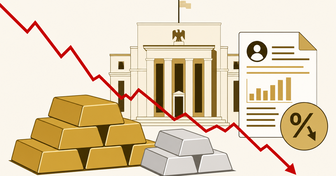
The policy stance triggered a notable shift in market dynamics, with spot gold prices retreating by more than 3% to settle near the $4,450 per ounce level. Silver followed a similar trajectory, falling over 4% to approximately $66.28 per ounce. The downward movement in metals was largely driven by a strengthening U.S. dollar and rising Treasury yields, as traders recalibrated the probability of a rate increase at the upcoming September meeting. According to the CME FedWatch Tool, the likelihood of a September hike climbed significantly following the speech, reaching roughly 60%.
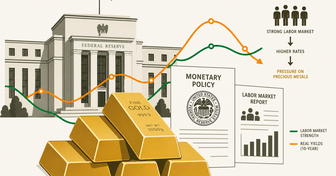
Warsh’s comments also touched on unconventional monetary policies, suggesting they should be reserved for genuine crises, which some analysts interpreted as a pushback against recent liquidity-expanding measures. For the precious metals sector, these developments represent a shift in the 'debasement trade' that had supported prices earlier in August. While the broader monthly trend for gold remains positive, the renewed focus on 'higher-for-longer' interest rates creates a challenging environment for non-yielding assets. Investors are now looking toward upcoming labor market data to see if economic conditions will support the Fed's aggressive anti-inflationary posture.
Why This News Matters
The Federal Reserve Chair's debut policy speech is a high-impact event that resets interest-rate expectations. A shift toward a more hawkish stance strengthens the USD and raises yields, which historically increases the opportunity cost of holding non-yielding precious metals.
Affected Metals
- GOLD: A hawkish Fed stance typically strengthens the USD and raises bond yields, making gold more expensive for foreign buyers and less attractive compared to interest-bearing assets.
- SILVER: Silver often experiences amplified volatility in response to Fed policy shifts, facing pressure both from a stronger dollar and potential concerns over industrial demand if rates slow economic growth.
Source: Investing.com