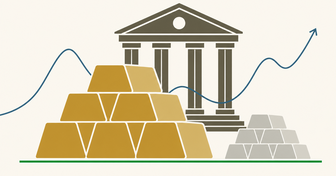



The Bank of England's Chief Economist has indicated that borrowing costs may need to continue rising into 2027 to effectively manage persistent inflationary pressures, a move that could impact the global investment appeal of gold.
Bank of England Chief Economist Huw Pill suggested in a recent interview that the central bank’s campaign against inflation may require additional interest rate increases extending into 2027. Following the bank's November decision to lift the key policy rate to 4%, Pill characterized the move as a necessary step but emphasized that further adjustments are likely required to bring inflation back toward target levels.
Market participants monitor these signals closely because central bank policy remains a primary driver for precious metals valuations. Gold, which does not pay interest, often faces headwinds when interest rates rise, as investors may favor yield-bearing assets like government bonds. Pill’s comments suggest a more prolonged period of restrictive monetary policy in the United Kingdom than some analysts had previously anticipated.
While the Federal Reserve’s actions in the United States often have the most direct impact on dollar-denominated gold prices, the collective hawkish stance of major global central banks adds to the broader macroeconomic environment. The prospect of sustained or rising rates across multiple regions typically supports currency strengths and elevates the 'opportunity cost' for bullion holders. As the Bank of England prepares for its upcoming December meeting, investors are weighing how these potential long-term hikes will balance against ongoing geopolitical risks and safe-haven demand.
Why This News Matters
Interest rate outlooks from major central banks like the Bank of England significantly influence global precious metals prices. Higher rates increase the opportunity cost of holding non-yielding assets like gold, often leading to downward price pressure.
Affected Metals
- GOLD: A hawkish outlook from a major central bank like the BoE typically strengthens the local currency and increases global yields, which can exert downward pressure on gold prices as the metal does not provide a yield.
Source: Reuters / Investing.com