

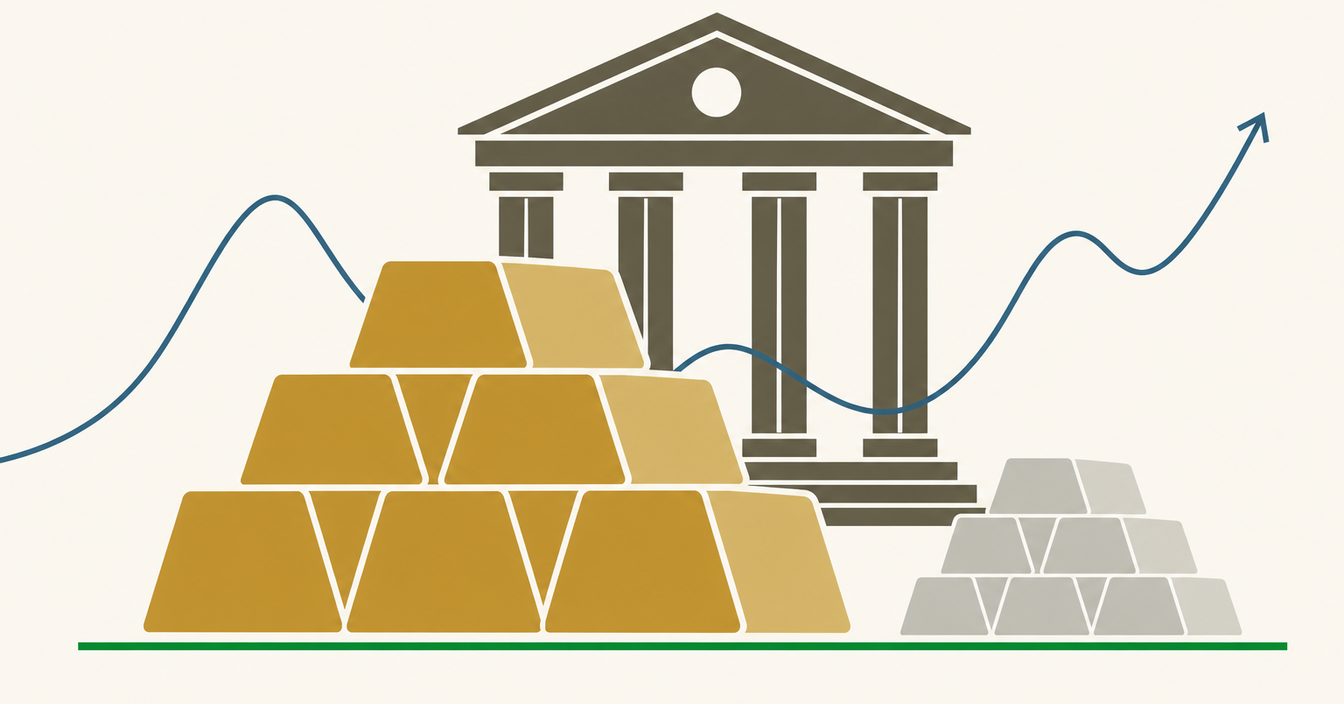
A new analysis suggests gold may continue to outperform silver in the current high-interest-rate environment, as robust official-sector accumulation offsets the lack of private investment demand that typically drives silver prices.
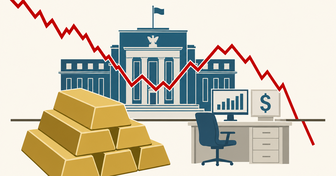
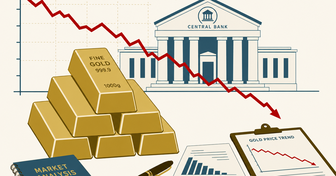
Goldman Sachs has issued a new assessment of the precious metals complex, indicating a preference for gold over silver as global central bank activity remains a primary support pillar. According to the bank's latest research, gold is expected to reach $4,650 per troy ounce by the end of 2027, representing a notable upside from current levels. This outlook is predicated on the belief that central bank demand acts as a structural floor for gold prices, a benefit that silver does not share.
The divergence between the two metals comes at a time when the U.S. Federal Reserve is expected to maintain a hawkish stance. Market analysts at the bank project further interest rate hikes in December 2026 and March 2027. Such moves typically pressure non-yielding assets like precious metals by increasing the opportunity cost of holding them. However, Goldman's strategists note that while higher rates may continue to suppress private investment and Western ETF demand for both metals, gold has the unique advantage of sustained official-sector purchases.
Silver, by contrast, lacks this level of central bank support and remains more susceptible to fluctuations in industrial demand and private investment sentiment. The bank noted that while silver reached significant highs earlier in the year during a liquidity squeeze, a repeat of that performance is less likely while interest rates remain elevated. The report suggests that until the Federal Reserve shifts toward a cycle of rate cuts—possibly in late 2027—gold’s ability to resist downward pressure will likely exceed that of silver, making it a more resilient asset in the intermediate term.
Why This News Matters
The analysis highlights a divergence in the fundamental support for gold versus silver. While both face headwinds from higher interest rates, gold benefits from a 'structural floor' of central bank buying that silver lacks. This could influence investor allocation between the two metals during periods of monetary tightening.
Affected Metals
- GOLD: Central bank buying may provide a price floor that limits the impact of higher interest rates.
- SILVER: Silver may face more volatility or underperform gold due to its lack of significant central bank demand and its sensitivity to private investment flows.
Source: Investing.com