

Fresh economic data from the Philadelphia Federal Reserve shows a sharp decline in regional manufacturing activity, with the headline index falling to 6.3 and new orders entering negative territory, potentially complicating the Federal Reserve's path for future interest rate hikes.
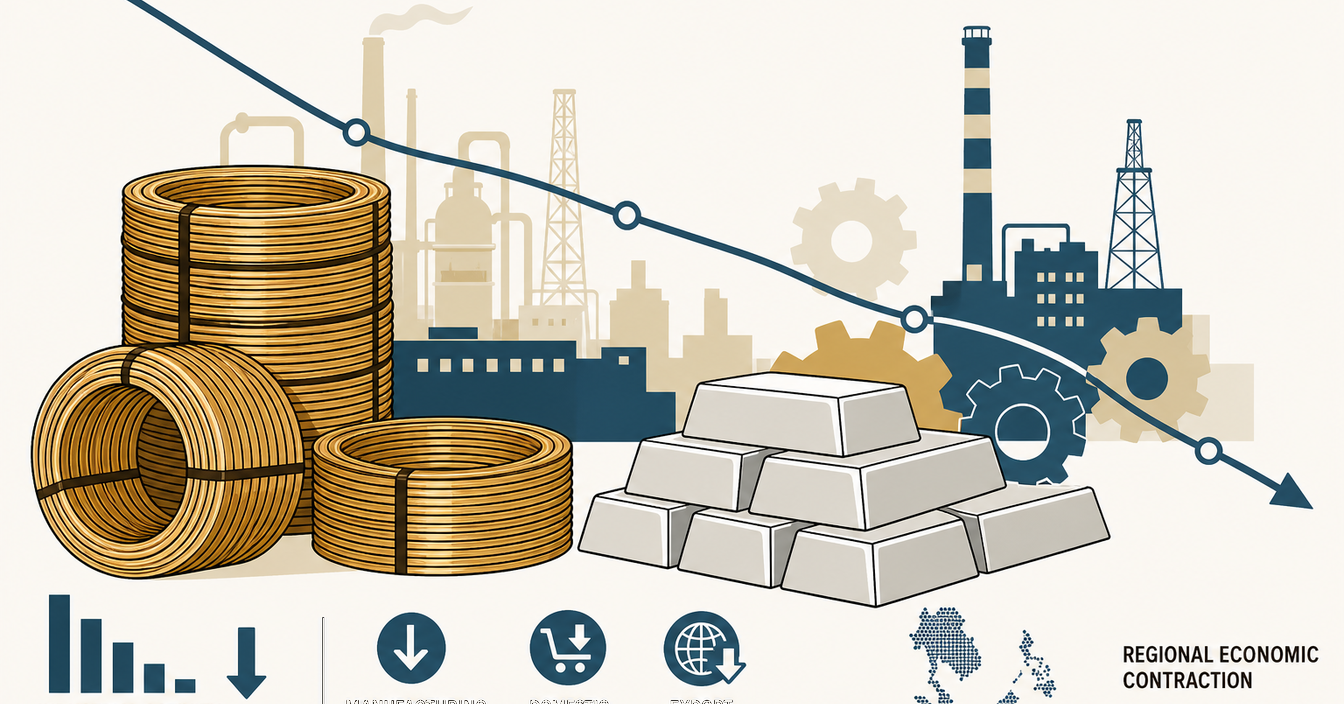
Economic activity in the Philadelphia region's manufacturing sector experienced a significant slowdown in November, according to the latest Business Outlook Survey released today by the Federal Reserve Bank of Philadelphia. The headline diffusion index for current general activity plummeted to 6.3, down from a reading of 20.9 in October. This result was substantially lower than the consensus forecast of approximately 18.0 to 20.6, marking the weakest reading for the region since May.
A key driver of the decline was the index for new orders, which slipped into negative territory at -0.4, suggesting that future demand for manufactured goods may be thinning. Despite the drop in overall activity, the survey indicated that price pressures remain persistent. Both the prices paid and prices received indexes moved higher, reflecting elevated costs for manufacturers and a continued effort to pass those costs on to consumers.
Simultaneously, the U.S. Department of Labor reported that weekly jobless claims reached 203,000, slightly above expectations. The combination of cooling industrial growth and a mild uptick in unemployment filings provides a complex backdrop for precious metals investors. Historically, signs of a softening economy can lead market participants to scale back expectations for aggressive interest rate increases by the Federal Reserve. Since gold and silver do not provide a yield, they often become more attractive when interest rate outlooks shift downward. However, the ongoing strength of the U.S. dollar and hawkish sentiment from some Fed officials continue to act as a counterweight, leaving precious metals prices to navigate a highly volatile environment.
Why This News Matters
Economic indicators that show a slowdown in industrial activity or labor market shifts can influence Federal Reserve interest rate policy. Specifically, a weaker manufacturing reading can sometimes dampen the case for aggressive rate hikes, which may support non-yielding assets like gold and silver by lowering the opportunity cost of holding them.
Affected Metals
- GOLD: Weaker-than-expected manufacturing data can lead to lower bond yields and a softer dollar, which historically supports gold prices by reducing the opportunity cost for investors.
- SILVER: Silver may face a dual impact: while it could benefit from a less aggressive Fed policy, the contraction in new manufacturing orders might signal lower industrial demand for the metal.
- PLATINUM: Platinum often tracks broader industrial health; a slowdown in manufacturing activity could lead to cautious sentiment regarding its use in automotive and industrial applications.
- PALLADIUM: Similar to platinum, palladium is sensitive to manufacturing trends, and a drop in factory orders may pressure prices if it implies a reduction in catalyst production.
Source: Investing.com